
Data Loss: Why Hard Drive Get Damaged?
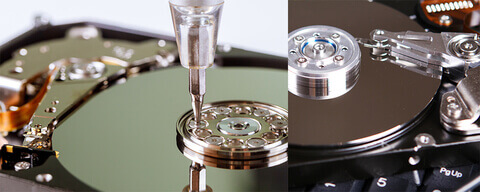
Data Loss: Why Hard Drive Get Damaged?
Data is valuable for everyone—individuals, businesses, government agencies, and even students. We have various data storage devices, but a hard drive is the most commonly used. However, sometimes it gets damaged, and we lose all our data. If you can protect your hard drive, you can protect your data ultimately. Let's understand the reasons why a hard drive gets damaged.
Mechanical Failure
A hard drive is hardware, and like any other machine, it can face mechanical failure. Misuse of the drive often leads to such failures. External factors like overheating, water damage, and exposure to magnetic fields can also cause damage. Power fluctuations and accidental drops may result in data loss.
Problems in the Internal File System
Data loss can also occur due to problems in the internal file system. Software corruption, drive read instability, and human errors are common causes. Deleting important system files or improper installation of software can damage the hard drive.
Viruses and Malware
New viruses are released every day in the cyber world. Malware infections are a major cause of hard drive damage. These viruses often enter through downloads or internet connections and can damage hardware or infiltrate networks.
How to Prevent Data Loss?
These are some common reasons for hard drive damage. In many cases, data loss is permanent or difficult to recover. The best approach is prevention and early protection.
- Monitor your device temperature and avoid overheating
- Take regular backups of your important files
- Keep your antivirus software updated
- Avoid opening suspicious emails or attachments
- Do not delete system files unless you know their purpose
- Keep devices away from strong magnetic fields
- Avoid keeping liquids near your computer
If your hard drive gets damaged for any reason, seek professional help immediately. Only experienced technicians can handle data recovery safely and effectively.